
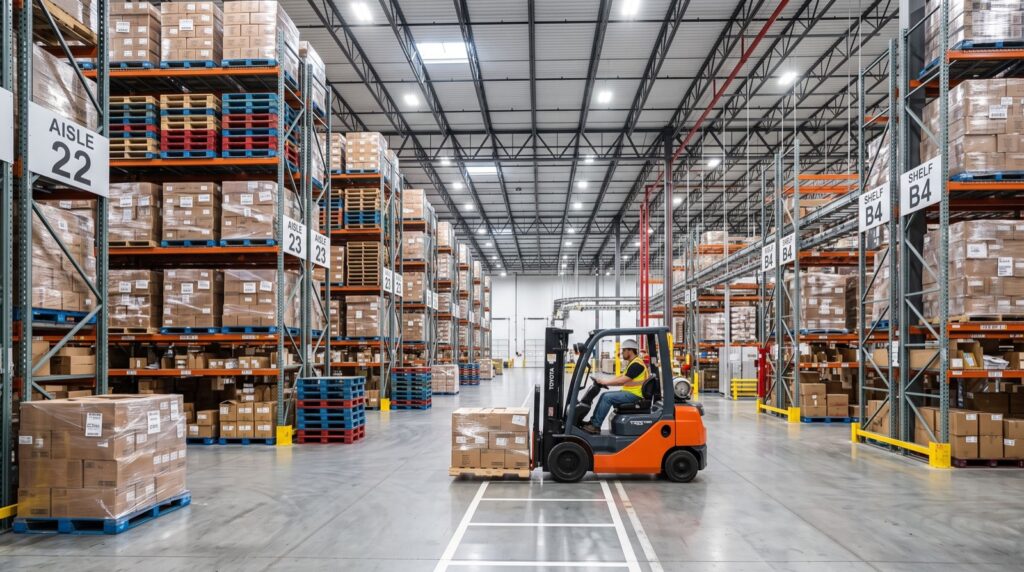
Dry Storage in Riyadh: Smart Warehousing for 2026
Dry storage in Riyadh is the unsung backbone of nearly every trading, retail, and manufacturing business in the capital. It rarely makes headlines, yet the difference between a well-run dry warehouse and a poorly run one shows up directly in your cash flow. This 2026 guide breaks down how ambient and dry storage works, what to demand from a provider, and how to squeeze more value from every square metre.
Riyadh’s rapid growth under national development goals has pushed demand for reliable, well-organised warehousing to record levels. If you sell physical goods, understanding dry storage in Riyadh is no longer optional, it is a core operational skill.
What Dry Storage in Riyadh Actually Covers
Dry storage refers to space kept at normal room conditions with controlled humidity, designed for goods that do not need refrigeration. Think packaged food, textiles, electronics, hardware, and general retail stock. It is the most common and most cost-effective form of commercial warehousing.
Because it avoids the heavy energy cost of refrigeration, dry space is affordable, but that does not mean it is simple. Humidity, dust, pests, and poor stacking can quietly destroy value if the facility cuts corners. In 2026, the best operators treat even basic dry storage as a precision service.
Which Goods Belong in Dry Storage?
A quick mental test helps: if the product’s shelf life does not depend on a specific temperature, it usually belongs in dry storage. Below are the categories that fill most Riyadh warehouses.
- Packaged and canned food, grains, flour, and dry spices.
- Textiles, garments, and household goods.
- Electronics, spare parts, and hardware.
- Paper products, packaging materials, and stationery.
- Non-perishable retail and e-commerce inventory.
Dry vs Ambient vs Climate-Controlled Space
People often use “dry” and “ambient” interchangeably, but there is a useful distinction. Dry storage emphasises low humidity, while ambient storage focuses on holding a steady, moderate temperature range. Some goods need one, some need both, and knowing the difference saves money.
For capital-city trading stock, quality Dry Storage in Riyadh keeps humidity-sensitive goods safe and organised. For Eastern Province operations that need a stable moderate climate, dedicated Ambient Storage in Dammam protects goods from the region’s harsh heat swings. The table below compares the three tiers side by side.
| Feature | Dry Storage | Ambient Storage | Climate-Controlled |
|---|---|---|---|
| Primary control | Humidity | Temperature range | Temp + humidity |
| Typical cost | Low | Low to moderate | Higher |
| Best for | Dry food, textiles | General retail, packaged goods | Electronics, cosmetics, some pharma |
| Energy use | Minimal | Low | High |
Choosing the lowest tier that still protects your product is the smartest financial move. Paying for climate control on canned goods simply burns margin.
How to Evaluate a Dry Warehouse Before You Commit
A warehouse tour tells you almost everything. Cleanliness, organisation, and the mood of the floor staff signal how your stock will be treated long after the contract is signed. Do not skip the walk-through.
The Warehousing Checklist Experienced Buyers Use
- Check the floor is dry, sealed, and free of water stains that hint at leaks.
- Confirm racking is rated for your load and pallets are stacked squarely.
- Ask for the pest control certificate and the last inspection date.
- Verify the inventory system gives you real-time stock visibility.
- Review security: cameras, access control, and fire suppression.
One practical insight from years in the field: measure the humidity yourself with a cheap handheld meter during the tour. If a warehouse claims humidity control but the reading drifts high on a summer afternoon, the numbers on the brochure are just marketing. Reputable operators welcome the check.
Getting More Value From Every Square Metre
Storage cost is not just the rent per metre, it is how efficiently you use the space. Smart slotting, clear labelling, and disciplined stock rotation cut waste and speed up picking. In 2026, even small businesses can access warehouse software that once belonged only to giants.
Rotate on a first-in, first-out basis so older stock leaves first, and audit slow-movers quarterly so dead inventory does not eat your rent. If you are still learning the operational side, resources on trusted professionals can help you connect logistics with sales.
Finally, negotiate flexibility. A contract that lets you scale space up before peak season and down afterward keeps you from paying for empty racks in the quiet months.
Location, Access, and the Hidden Costs of Cheap Space
The rent per square metre is only part of the total cost of warehousing. A cheaper site on the far edge of Riyadh can quietly cost more once you factor in fuel, driver hours, and slower delivery times to your customers. Proximity to your main markets often pays for itself.
Access hours matter just as much. If your business dispatches orders in the early morning or late evening, a warehouse with restricted gate hours will bottleneck your whole operation. Confirm loading dock availability, truck turnaround space, and whether the site handles both small parcels and full pallets without friction.
There are also softer costs that rarely appear on a quote. Poor lighting slows picking and raises errors, cramped aisles cause damage, and weak inventory systems create the invisible tax of lost or miscounted stock. In 2026, a slightly higher rent at a professional, well-lit, well-systemised facility usually beats a bargain warehouse that leaks money through inefficiency every single day.
My practical rule is to calculate a true cost per order shipped rather than cost per square metre. Divide your total monthly storage and handling expense by the number of orders you move, and the genuinely cheaper facility becomes obvious. Cheap rent with slow throughput almost always loses that comparison.
Frequently Asked Questions
What is dry storage in Riyadh used for?
Dry storage in Riyadh holds non-perishable goods like packaged food, textiles, electronics, and general retail stock in humidity-controlled, room-temperature conditions. It is the most affordable warehousing tier because it avoids refrigeration costs while still protecting products from moisture and pests.
How is ambient storage different from dry storage?
Dry storage focuses mainly on keeping humidity low, while ambient storage focuses on holding a steady, moderate temperature range. Some goods only need one, and others benefit from both, so match the tier to your product’s real sensitivity.
How much space do I actually need?
Calculate your peak pallet count, add a buffer for seasonal surges, and choose a provider that lets you scale up or down. Renting for your average volume rather than your peak, with flexible add-on space, usually gives the best value.
How do I keep goods safe in dry storage?
Insist on sealed floors, certified pest control, proper racking, and real-time inventory tracking. Rotate stock on a first-in, first-out basis and audit slow-movers regularly so nothing spoils or gets forgotten at the back of the rack.
Final Thoughts
Dry storage in Riyadh may be the quiet part of your supply chain, but it carries enormous influence over cost and reliability. Pick a clean, well-run facility, match the storage tier to your goods, and manage the space with discipline.
Follow the 2026 checklist above, verify the claims with your own eyes, and negotiate for flexibility. Done right, your warehouse stops being a cost centre and becomes a lever for smoother, more profitable operations.